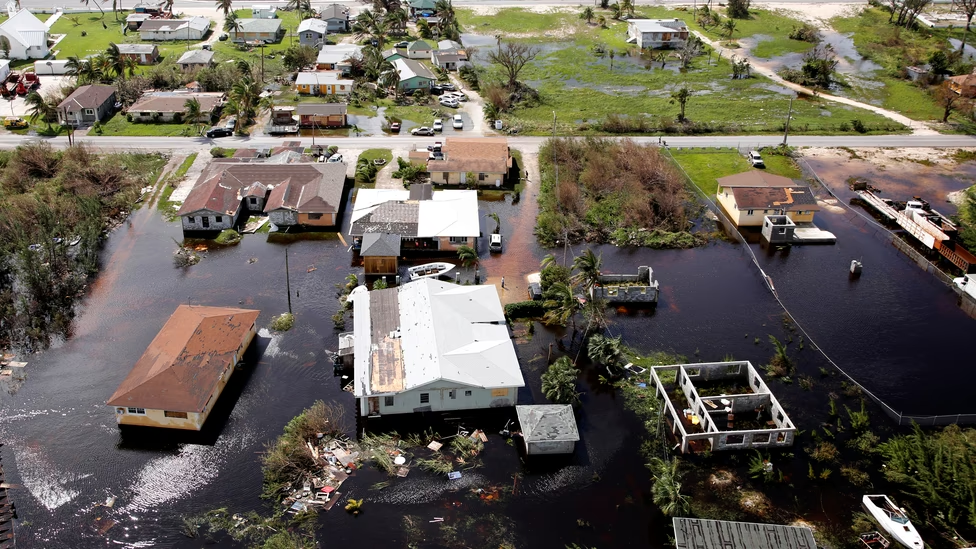
What this guide covers: A practical, Space Coast-specific plan for hurricane season, from knowing your evacuation zone and signing up for AlertBrevard, to a printable supply checklist, home protection, sheltering with pets, and documenting damage for insurance. Everything here is built around how Brevard County actually calls evacuations and opens shelters, not generic national advice.
The homeowners who come through a storm calmly are the ones who did the thinking in June, not the night the cone shifted toward the Space Coast. Work through this guide once before the season, keep the checklist handy, and you will not be scrambling when a name appears in the Atlantic.
✔ AlertBrevard & Local Resources
✔ Printable Supply Checklist
Step 1: Know Your Evacuation Zone
This is the first thing every Brevard homeowner should know, because evacuations here are called zone by zone, not county-wide. Brevard uses five lettered zones based on storm-surge risk. Zone A, the barrier islands, is the most vulnerable; Zone E is the most inland and the last to be told to leave.
| Zone | Typical Areas | Surge Risk |
|---|---|---|
| A | Barrier islands: Cocoa Beach, Satellite Beach, Cape Canaveral, Melbourne Beach | Highest |
| B | Near-river mainland and low-lying areas along the Indian River / US 1 | High |
| C | Mainland areas farther from the water | Moderate |
| D | Inland mainland, higher ground | Lower |
| E | Westernmost inland Brevard | Lowest |
Look up your exact zone by address on the Brevard County Emergency Management site or the statewide Florida “Know Your Zone” map, and write it on your checklist now. Two rules override the zone letter entirely: if you live on a barrier island or in a mobile or manufactured home, plan to leave for any significant storm regardless of your zone.
Step 2: Sign Up for Alerts & Save Local Resources
Do this today, not during a warning. Program these into your phone so official Brevard information reaches you first:
- AlertBrevard: the county’s official notification system for severe weather, evacuations, and protective actions. Register your address and mobile number.
- Brevard County Storm Center (brevardfl.gov/StormCenter): the live hub for local orders, shelter openings, and re-entry information.
- 211 Brevard: dial 211 for shelter, special-needs, and recovery information.
- Emergency Operations Center: keep the county EOC number handy in case you need to reach emergency management directly.
- Special-needs registry: if anyone in your home relies on electricity for medical equipment or needs transport assistance, register with the county in advance.
Step 3: The Brevard Hurricane Timeline
Preparation is easier when it is scheduled. Here is what to do and when, tuned to how fast Space Coast storms can develop.
Before June 1 (start of season)
Confirm your zone, register for AlertBrevard, review insurance (including flood), photograph your home and belongings, service your generator, and get permanent storm protection installed while there is no rush. This is the calm window, use it.
72 hours out (storm in the forecast)
Top off fuel and prescriptions, refill your water supply, check kit expiration dates, and decide your evacuation destination if you are in Zone A or B. Fuel and water disappear from Brevard stores first.
36 hours out (watch issued)
Deploy or stage your shutters and panels, bring in loose yard items, charge everything, get cash, and fill the bathtub for non-drinking water. If you are evacuating, leave before traffic and fuel become problems.
24 hours out (warning / landfall approaching)
Finish securing the home, close and lock all shutters, move valuables and documents to the safest interior room, and follow any evacuation order for your zone. Do not wait to see how it looks.
Step 4: Your Hurricane Supply Checklist
Build a kit that can sustain your household for at least 7 days. Brevard power outages after major storms have run from days to over a week. Print this and check it off.
Water & Food
- ☐ One gallon of water per person per day, 7-day supply
- ☐ Extra water for pets
- ☐ 7 days of non-perishable food and a manual can opener
- ☐ Coolers and ice; paper plates and utensils
Power & Light
- ☐ Flashlights and plenty of batteries (candles are a fire risk)
- ☐ Power banks; car chargers
- ☐ Generator with fuel stored safely outdoors, plus a carbon-monoxide alarm
- ☐ Battery or hand-crank NOAA weather radio
Health & Safety
- ☐ First-aid kit and 7+ days of prescription medications
- ☐ Personal hygiene items; hand sanitizer
- ☐ Insect repellent (post-storm standing water)
- ☐ Fire extinguisher
Documents & Cash
- ☐ IDs, insurance policies, and property records in a waterproof bag
- ☐ Cash in small bills (ATMs and cards fail without power)
- ☐ Photos or video of every room and your home’s exterior
Family & Pets
- ☐ Pet food, carrier, leash, and vaccination records
- ☐ Baby supplies if needed; comfort items for children
- ☐ A written family communication and meeting plan
Step 5: Protect Your Home Before the Storm
Wind gets into a home through its openings. Once a window or door fails, internal pressure can lift the roof, so protecting every opening is the core of home preparation.
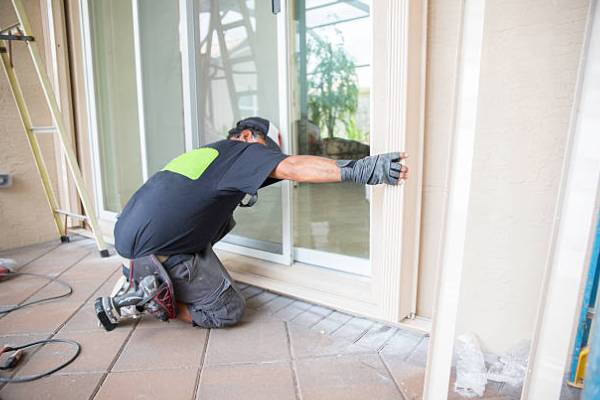
- Cover every window and door. Permanent hurricane shutters, storm panels, or impact windows all do this. Shutters that deploy in minutes beat plywood you have to cut and drill during a warning.
- Do not forget the garage door. It is usually the largest opening on the house and the most common failure point. A home is only as protected as its weakest opening.
- Protect the lanai and patio. Hurricane screens shield large outdoor openings and sliders that are hard to board.
- Clear the yard. Bring in or secure furniture, grills, plants, and anything that can become a projectile. Trim weak branches before the season.
- Not sure which product fits which opening? Our guide to hurricane shutter types breaks down the options.
Local insight: Brevard’s history rewards permanent protection. In the 2004 back-to-back season, homeowners could not realistically re-hang plywood between Frances and Jeanne. See what those storms taught the Space Coast in our Brevard County hurricane history.
Get Opening Protection Handled Before Season
A local expert will assess every opening on your home and recommend the right protection for each, so your storm prep is a five-minute job, not a five-hour one. Most Melbourne and Palm Bay homeowners get a quote within 48 hours.
Step 6: Evacuation & Shelters
If your zone is ordered to evacuate, the safest move is usually just a short drive inland, not hundreds of miles. “Run from water, hide from wind” applies here: most evacuations in Brevard are about escaping storm surge, not outrunning the storm entirely.
Brevard opens three kinds of shelters as needed: general population, special needs, and pet-friendly. Shelter openings are incident-specific, so always confirm the current list on the Brevard County Storm Center, AlertBrevard, or by dialing 211 before you go. In recent activations, pet-friendly shelters have included the South Mainland Community Center in Micco, the Walter Butler Community Center in Cocoa, and the Wickham Park Community Center in Melbourne.
If you shelter, bring:
- Your own food, water, bedding, and medications, shelters are basic, not hotels.
- IDs and important documents.
- For pet-friendly shelters: carrier, food, leash, and vaccination records.
- For special-needs shelters: register in advance and bring your own caregiver if you have one.
Step 7: Document Everything for Insurance
Claims go smoother when you prepare the paperwork before the storm, not after.
- Photograph or video your whole home now, inside and out, including the roof line, and store it in the cloud. Pre-storm condition is powerful evidence.
- Know your policy. Confirm your hurricane and flood coverage, deductibles, and whether you carry flood insurance at all, since standard policies exclude flood and Fay proved how fast Brevard floods.
- Keep your wind mitigation documentation. Code-approved shutters and impact products can also lower your premium. See our Brevard County insurance discount guide.
- After a storm, document damage before cleanup, keep receipts for repairs and lodging, and file promptly.
Step 8: After the Storm
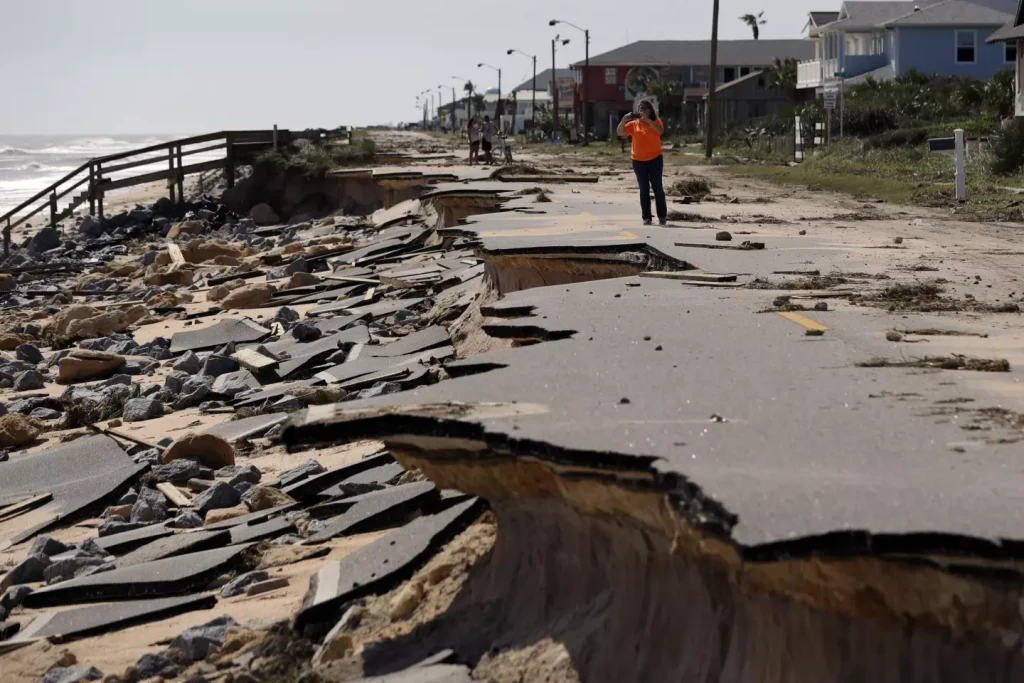
- Wait for the all-clear and re-entry approval before returning to an evacuated barrier island. Follow the Storm Center for zone re-entry updates.
- Treat every downed line as live, and avoid standing water, which can hide power hazards, debris, and wildlife.
- Run generators outdoors only, never in a garage or near windows. Carbon monoxide kills after storms every year.
- Document damage before you clean up, make temporary repairs to prevent further loss, and keep every receipt.
- Beware unlicensed “storm chasers.” Use licensed, insured local contractors for permanent repairs and protection.
Frequently Asked Questions About Brevard Hurricane Prep
How do I find my Brevard County evacuation zone?
Look up your address on the Brevard County Emergency Management zone tool or the statewide Florida “Know Your Zone” map. Brevard uses zones A through E, with A (the barrier islands) most at risk from surge. Evacuations are ordered by zone, so know your letter before the season.
How many days of supplies should I have in Brevard County?
Plan for at least seven days of water, food, and medications. Power outages after major Space Coast storms have lasted from several days to over a week, and roads or stores may be closed during that time.
Are there pet-friendly hurricane shelters in Brevard County?
Yes. Brevard opens pet-friendly shelters alongside general-population and special-needs shelters. Because openings are decided per storm, confirm the current list on the Brevard County Storm Center, AlertBrevard, or by dialing 211, and bring your pet’s carrier, food, and vaccination records.
When should I put up my hurricane shutters?
Deploy or stage protection around 36 hours before expected impact, once a watch is issued, and have everything closed and locked by 24 hours out. Permanent shutters and impact windows make this fast, which is why they beat last-minute plywood during a warning.
Do I need flood insurance in Brevard County?
Standard homeowners policies exclude flood, and Brevard has a real flood history, most notably Tropical Storm Fay in 2008. If you are in a low-lying or near-river area, separate flood coverage is worth serious consideration. Confirm your specific risk and options with your insurer.
Local Resources & Sources
- Brevard County Emergency Management and the Brevard County Storm Center (evacuation zones, shelter and re-entry information)
- AlertBrevard county notification system
- Florida Division of Emergency Management, “Know Your Zone”
- 211 Brevard information line; Florida Department of Health in Brevard (pet and special-needs planning)
Shelter locations, sandbag sites, and re-entry rules are set per storm and can change. Always confirm current details with Brevard County Emergency Management before acting.
Serving the Entire Space Coast
Brevard Hurricane Protection helps homeowners across Melbourne, Palm Bay, Cocoa Beach, Titusville, Rockledge, Satellite Beach, Viera, Merritt Island, and surrounding Brevard County communities get the home side of this checklist done, permanent opening protection that turns storm prep into a five-minute task. Every installation is permitted, performed by licensed and insured contractors, and documented for your wind mitigation inspection.
Check the Biggest Box on Your List
No sales pressure. No hidden fees. Just a clear quote from a local expert so your home is protected before the next storm forms.